



API 15S RTP Pipes | Spoolable Reinforced Plastic Line Pipe – CNPS
Spoolable Reinforced Plastic Line Pipe Engineered to API 15S
Continuous spoolable pipe DN17–200 mm at 2.5–32 MPa plus large-diameter DN250–500 mm — bonded-layer construction for impact, permeation and axial-strength performance.
Product Overview
API 15S is the specification for spoolable reinforced plastic line pipe, and it defines four reinforcement series: polyester, aramid, glass fiber and steel cord. Our API 15S RTP line covers continuous spoolable pipe from DN17 to DN200 mm at nominal pressures of 2.5–32 MPa, and large-diameter fixed-length pipe from DN250 to DN500 mm at 1.6–6.4 MPa.
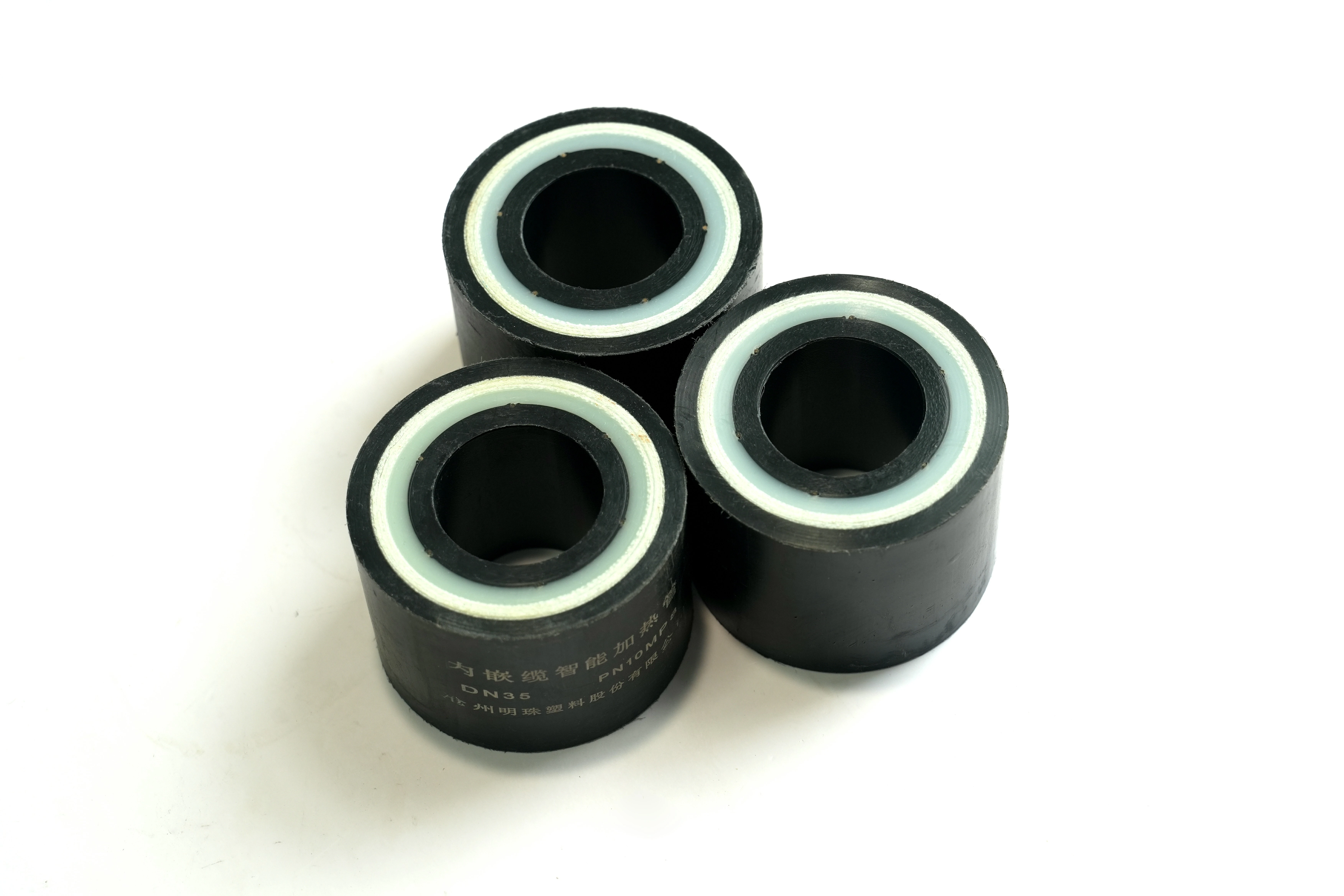
The construction follows the classic RTP architecture: a liner layer that carries the media, a reinforcement layer wound over the liner that carries the pressure, and an outer protective layer that shields the structure from impact and damage. Bonded-type construction fuses the layers into an integral wall, improving impact resistance, gas-permeation resistance, ring stiffness and axial tensile performance, and preventing interlayer channeling on leakage.
Media temperature range is −40 °C to 90 °C. Acceptance testing follows documented criteria: short-term hydrostatic strength of 2 × nominal pressure for 1 h at 20 °C with no rupture or leak, and burst pressure ≥ 3 × nominal pressure at 20 °C. (Certification claims for API 15S in referenced materials belong to the referenced manufacturers and are not repeated here; confirm status with our engineers.)
Why Choose GRE Pipes?
- Welded steel flowlines are slow to install and leak at joints in remote or corrosive service
- Conventional coil pipe can lack the impact resistance and gas-barrier performance sour service demands
- High-sulfur and multiphase transport needs a pipe that resists permeation and interlayer channeling
CNPS Solution: Bonded-layer spoolable reinforced plastic line pipe engineered on API 15S — continuous coils to 32 MPa plus large-diameter pipe to 6.4 MPa, with metal crimped, flanged or reinforced-sleeve joint options.
- Four reinforcement series (polyester, aramid, glass fiber, steel cord) to match loading and cost
- Bonded construction: better impact resistance, permeation resistance, ring stiffness and axial tensile performance
- Coil supply for 1.8 in and below — transport-friendly, low logistics cost
- Documented acceptance criteria: 2× nominal hydrostatic (1 h, 20 °C), burst ≥ 3× nominal (20 °C)
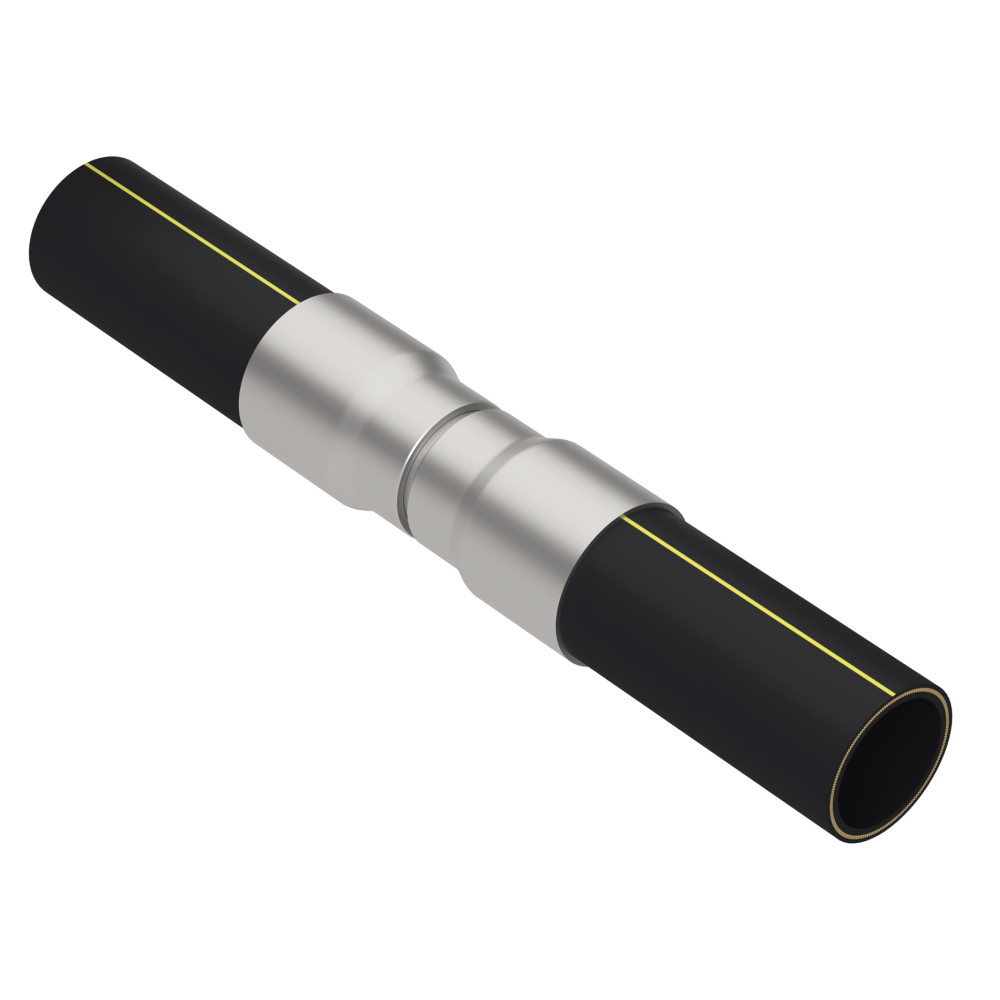
- Joint options from metal crimped to non-metal reinforced sleeve for bonded pipes
- Media temperature −40 °C to 90 °C
- Spoolable continuous pipe: DN17 – 200 mm; 2.5 – 32 MPa
- Large-diameter fixed-length pipe: DN250 – 500 mm; 1.6 – 6.4 MPa
- Media temperature: −40 °C to 90 °C
- Reinforcement series: polyester, aramid, glass fiber, steel cord
- Structure: liner layer / wound reinforcement layer / outer protective layer
- Design basis: API 15S-2022 with GB/T 38725.2-2020, SY/T 6794-2018 and related standards (per reference materials)
- Four reinforcement series — Polyester, aramid, glass-fiber and steel-cord reinforcement to match pressure, cost and service conditions.
- Bonded-layer construction — Layers fused into an integral wall: better impact resistance, gas-permeation resistance, ring stiffness and axial tensile performance; no interlayer channeling on leakage.
- Coilable logistics — Continuous pipes of 1.8 in and below are coil-supplied, conforming to transport restrictions with low transport cost.
- Documented acceptance — Short-term hydrostatic strength 2 × nominal pressure for 1 h at 20 °C (no rupture/leak); burst ≥ 3 × nominal at 20 °C.
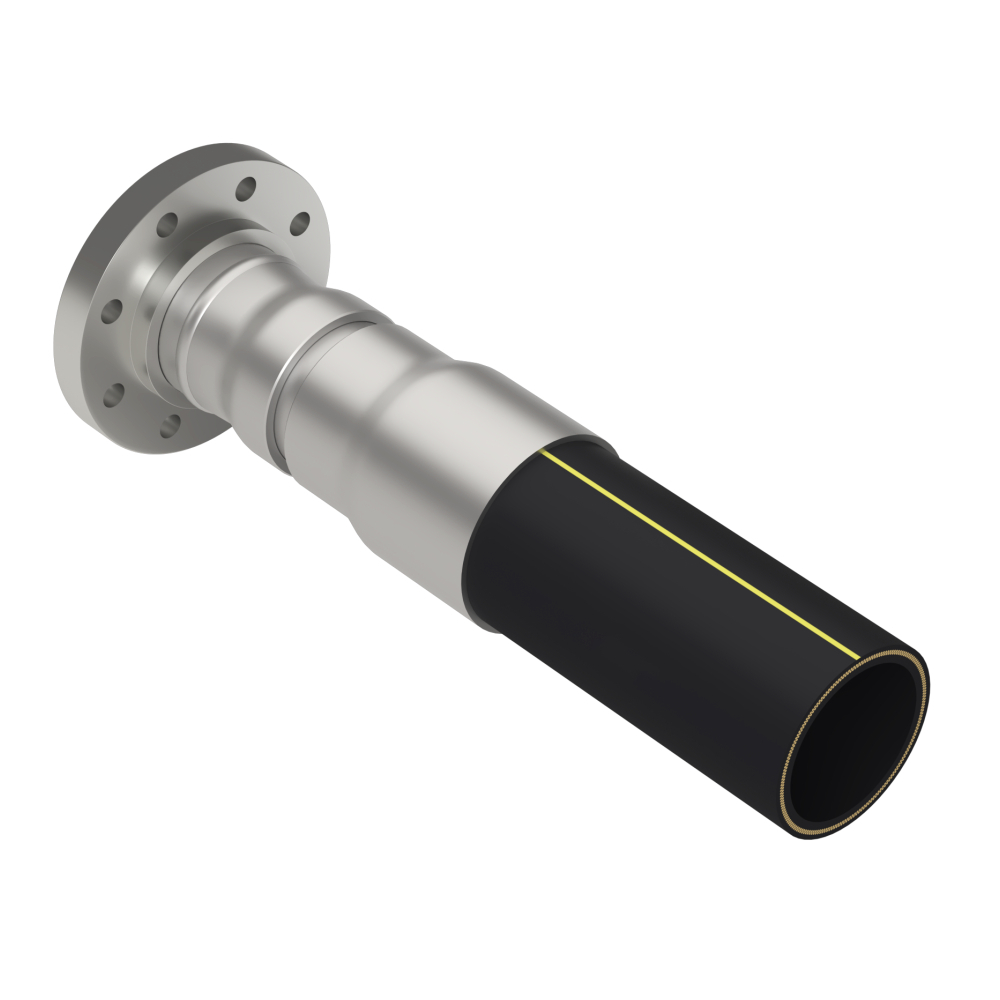
- Broad joint menu — Metal crimped joints (carbon steel anti-corrosion, 316L, duplex stainless, 825 nickel alloy, titanium) DN17–200 mm at 2.5–32 MPa; flanged joints DN17–500 mm at 1.6–25 MPa; non-metal reinforced sleeve joints DN50–500 mm at 1.6–6.4 MPa (bonded pipes).
- Service temperature — Media temperature −40 °C to 90 °C for continuous service.
- Hydrogen-ready line — A high-pressure hydrogen transport RTP has been developed for pure hydrogen and natural-gas hydrogen-blending transport, with a max design pressure of 10 MPa (per reference materials).
Technical Specifications
| Item | Specification |
| Material / Structure | Liner layer (polymer hot-melt extrusion); reinforcement layer (fiber or fiber-prepreg tape circumferentially wound); outer protective layer (polymer extrusion) |
| Diameter / Size Range | DN17–200 mm; nominal pressure 2.5–32 MPa |
| Pressure Rating | DN250–500 mm; 1.6–6.4 MPa |
| Operating Temperature | −40 °C to 90 °C |
| Standard Length | 1.8 in and below continuous pipes coil-supplied; coil size conforms to transport restrictions |
| Connection Type | Metal crimped: DN17–200 mm, 2.5–32 MPa (carbon steel anti-corrosion, 316L, duplex stainless, 825 nickel alloy, titanium); flanged: DN17–500 mm, 1.6–25 MPa; non-metal reinforced sleeve: DN50–500 mm, 1.6–6.4 MPa (bonded pipes) |
| Design Standard | API 15S-2022; GB/T 38725.2-2020; SY/T 6794-2018; SY/T 6662.2-2020; SY/T 6662.5-2014; Q/SY-TGRC 150-2019; SY/T 6769.5-2016; T/CPSI 01303-2023 (per reference materials) |
⚙️Applications
- Oil/gas field high-pressure water injection and single-well gathering lines
- Trunk and branch pipelines, sewage and brine transport
- Wear-resistant and hot-spring water pipelines
- High-sulfur gas fields and gas-oil multiphase transport (high-barrier gas transport pipe)
- Long-distance hydrogen transport and skid-equipment hydrogen delivery (max design pressure 10 MPa)
🔧Installation / Connection
- Continuous coils up to 1.8 in enable rapid lay-down with minimal field joints
- Metal crimped joints provide high-pressure make-up from 2.5 to 32 MPa
- Flanged joints for DN17–500 mm at 1.6–25 MPa tie into existing infrastructure
- Non-metal reinforced sleeve joints for bonded large-diameter pipe (DN50–500 mm, 1.6–6.4 MPa)
- Lightweight coils reduce transport and handling equipment requirements
🎨Project-Based Customization
- Reinforcement series selected per pressure class and loading: polyester, aramid, glass fiber or steel cord
- Joint type matched to service: metal crimped, flanged or non-metal reinforced sleeve
- Bonded or unbonded construction per permeation and mechanical requirements
- Hydrogen-service builds where required — confirm rating and standard compliance with our engineers
💎Why CNPS
- Solution engineering — API 15S RTP specified around pressure, media, route and jointing philosophy
- One system — pipe, crimped/flanged terminations and installation planning from one partner
- Trenchless-friendly logistics — coil planning integrated into project delivery
- Transparent standards — design basis and acceptance criteria documented for verification
Frequently Asked Questions
Get in touch with us
just leave your email or phone number in the contact form so we can send you a free quote for our wide range of designs